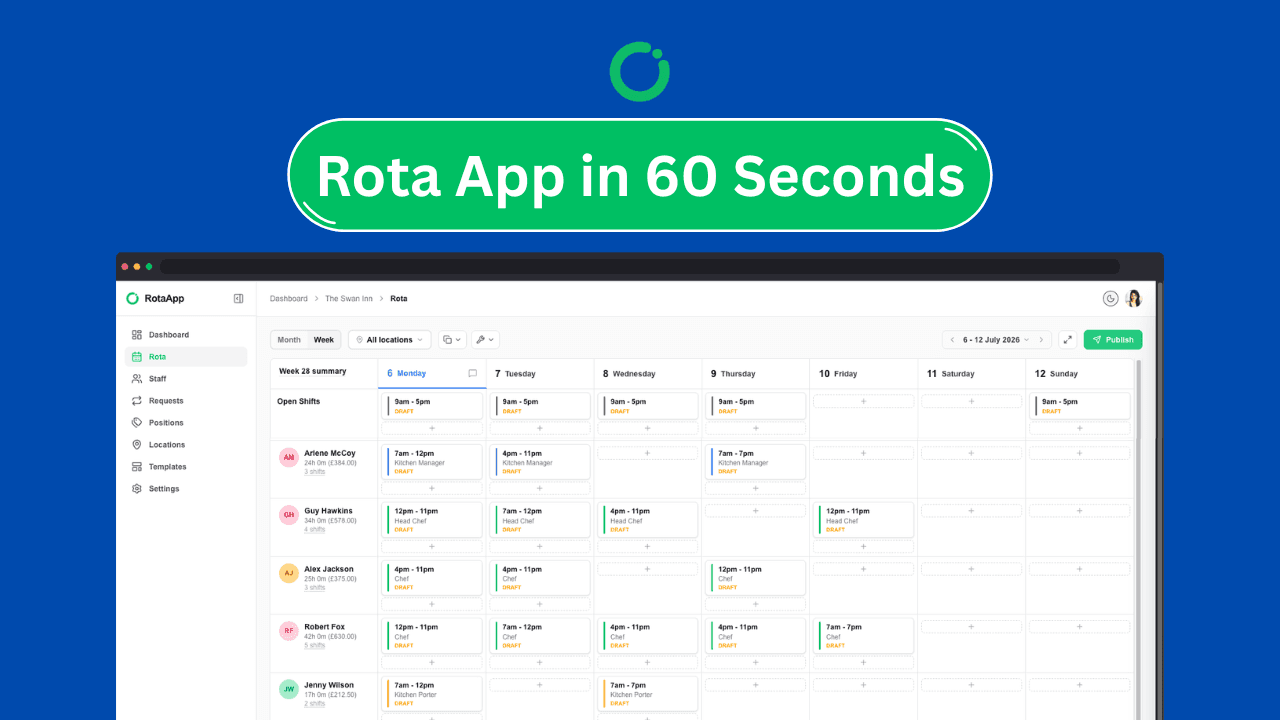
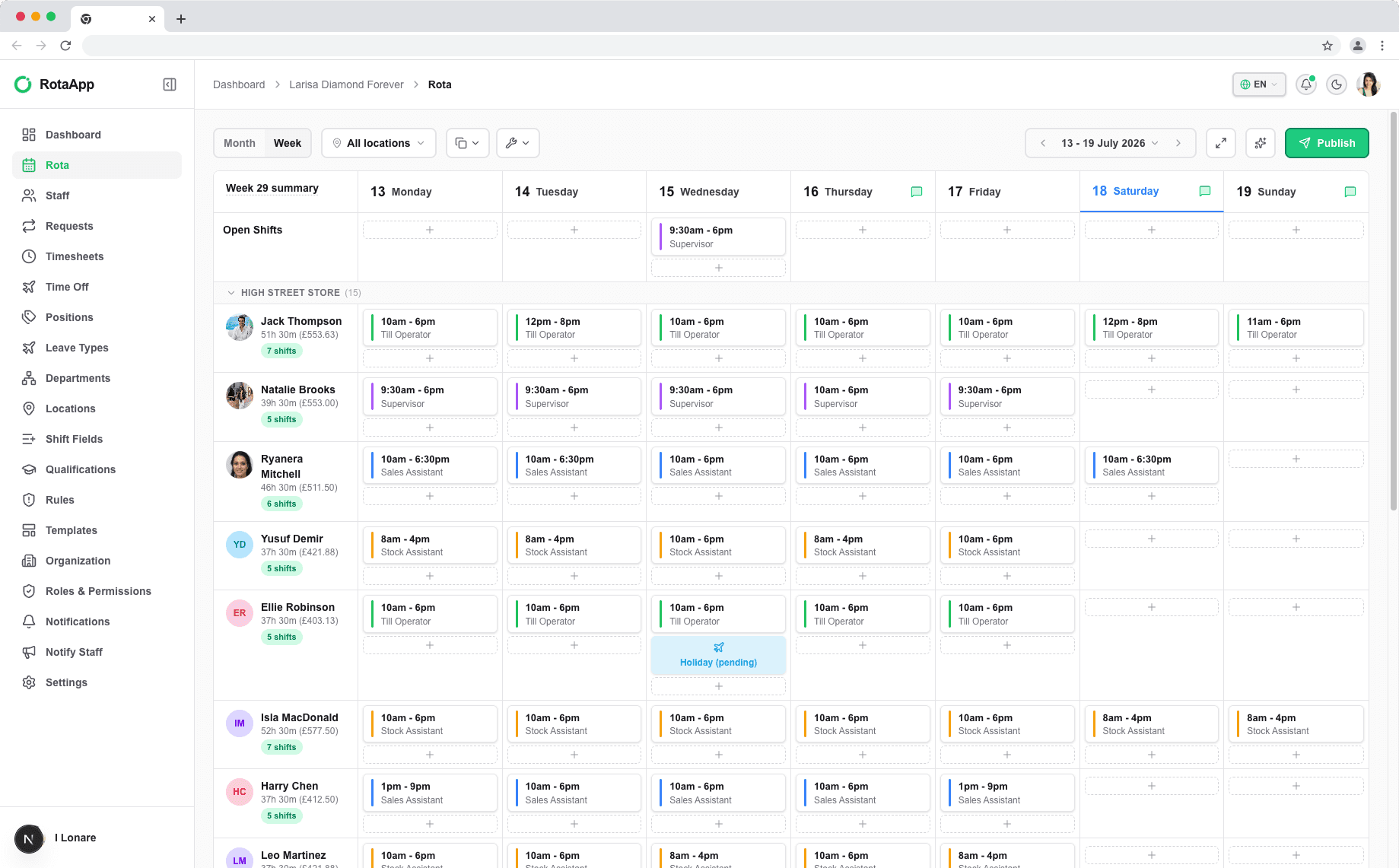
Night Shift Management - 7 Critical Lessons for Surviving Midnight Rota Chaos
When the clock strikes 3:00 AM, the true cost of poorly managed graveyard shifts reveals itself in mistakes, exhaustion, and high turnover.
At 3:17 AM inside an dimly lit operational hub, a quiet failure occurs almost every single night. A nurse misses a subtle change in a patient chart, a logistics worker drops a pallet in a warehouse, or a security monitor goes unread for forty minutes while someone fights off micro-sleep. Nobody talks about these moments during daytime board meetings, but every team working the night shift knows them intimately.
The night shift is not simply a daytime shift occurring under artificial lighting. It is an entirely different physiological, psychological, and operational universe that operates while the rest of the world slumbers.
For decades, organizations have treated midnight operations as a copy-paste version of morning schedules, expecting human bodies to seamlessly invert their biological clocks without consequence.
BUT human biology does not care about your operational targets or quarter-end deliverables.
When you force workers into nocturnal schedules, the body immediately initiates a chemical rebellion. The human brain is hardwired through millions of years of evolution to align melatonin production with the presence of daylight. Forcing a worker to operate at peak concentration at 4:00 AM means forcing them to fight their own cellular architecture, resulting in a state of cognitive impairment equivalent to a blood alcohol concentration of 0.05 percent.
This biological reality creates a cascading nightmare for health, safety, and productivity.
THEREFORE, the physical toll on the individual night shift worker quickly escalates into a systemic crisis for the entire organization.
Sleep deprivation among midnight teams is cumulative, turning routine tasks into high-stakes gambles. Workers arrive at their shifts already operating in a deficit, having spent their daylight hours fighting ambient noise, sunlight leaking through window blinds, and family responsibilities. Over months and years, this chronic fatigue manifests as burnout, soaring absenteeism, and voluntary turnover rates that routinely double those of day shifts.
Chronic night shift fatigue is not an individual performance issue; it is a structural failure of workload planning and schedule design.
When high turnover becomes the baseline standard, management enters a perpetual state of emergency firefighting.

BUT most operational managers try to solve this retention crisis using the exact same tools that caused it in the first place: manual spreadsheets, last-minute messaging groups, and desperate phone calls at 9:00 PM.
This reliance on outdated methods turns weekly scheduling into an agonizing puzzle. A shift supervisor spends hours crafting a paper rota or Excel sheet, only for a single emergency call-out to shatter the entire arrangement. Other employees are pressured into taking double shifts, pushing them deeper into fatigue, while managers burn through their own personal lives trying to plug endless operational holes.
This creates a dangerous cycle where fatigue drives turnover, turnover drives short-staffing, and short-staffing amplifies fatigue for everyone who remains.
THEREFORE, the operational instability of the night shift inevitably spills over into the financial health and safety compliance of the entire company.
Unplanned overtime expenses skyrocket as managers pay premium rates to cover vacant shifts at short notice. Fatigue-related workplace accidents trigger costly liability claims, regulatory fines, and skyrocketing insurance premiums. Meanwhile, customer service quality plummets during nocturnal hours because the on-duty team is stretched past its absolute physical limits.
+-------------------------------------------------------------------+
|               THE GRAVEYARD SHIFT FATIGUE CYCLE                   |
|                                                                   |
|  [ Poor Rota Planning ] ---> [ Biological Fatigue & Micro-Sleep ]  |
|           ^                                     |                 |
|           |                                     v                 |
|  [ Staff Burnout & Turnover ] <--- [ Last-Minute Call-Outs ]      |
+-------------------------------------------------------------------+
The true cost of a poorly structured shift rotation schedule is never visible on a spreadsheet until after the damage has already occurred.
BUT the solution is not to eliminate nocturnal work altogether, nor is it to demand that workers simply toughen up.
To understand how to fix the broken midnight operations model, we must listen to those who have lived through decades of it on the ground.
Meet Arthur, a 62-year-old veteran shift manager who spent thirty-four years managing rotas across healthcare, manufacturing, and commercial logistics. Arthur has built thousands of rotas using every medium imaginable: physical chalkboards, ledger books, complex Excel macros, and messaging apps.
"I used to think managing the night shift was about filling boxes on a sheet," Arthur reflects. "If I had five names next to Friday night, I thought my job was done. It took me twenty years and hundreds of burnt-out employees to realize that a paper rota doesn’t show you whether a human being is actually capable of surviving the week you just handed them."
Arthur’s turning point came during a brutal winter stint managing a regional distribution warehouse.
His team was working a chaotic rotating shift schedule that flipped workers between morning, evening, and graveyard hours with only twenty-four hours of recovery time in between. Sick calls were averaging 30% per week, safety incidents were peaking at 3:00 AM, and Arthur was spending his weekends answering panicked phone calls to cover missing workers.
"We were killing our people with chaos," Arthur says. "And the worst part was that I was doing it manually, thinking I was doing my best with the spreadsheet tools I had."
THEREFORE, Arthur realized that fixing the night shift required an entirely new approach to scheduling—one rooted in predictability, fairness, and modern technology.
He recognized that a successful shift management strategy must accomplish three essential things simultaneously:
Respect the physiological limits of the human body by providing predictable shift rotations and adequate recovery intervals.
Give workers direct visibility and control over their own schedules, allowing seamless shift swaps without administrative friction.
Automate the complex mechanics of coverage, compliance, and rota distribution so managers aren't managing spreadsheets at midnight.
BUT knowing what needs to be fixed and actually executing it across a multi-shift enterprise are two completely different challenges.
When managers try to modernize manually, they hit a wall of complexity. Calculating rest periods, tracking shift fairness, balancing skill sets across teams, and handling last-minute absences across dozens of staff members quickly exceeds human mental bandwidth.
This is precisely where modern operational technology steps in to transform the night shift from a constant liability into a predictable engine.
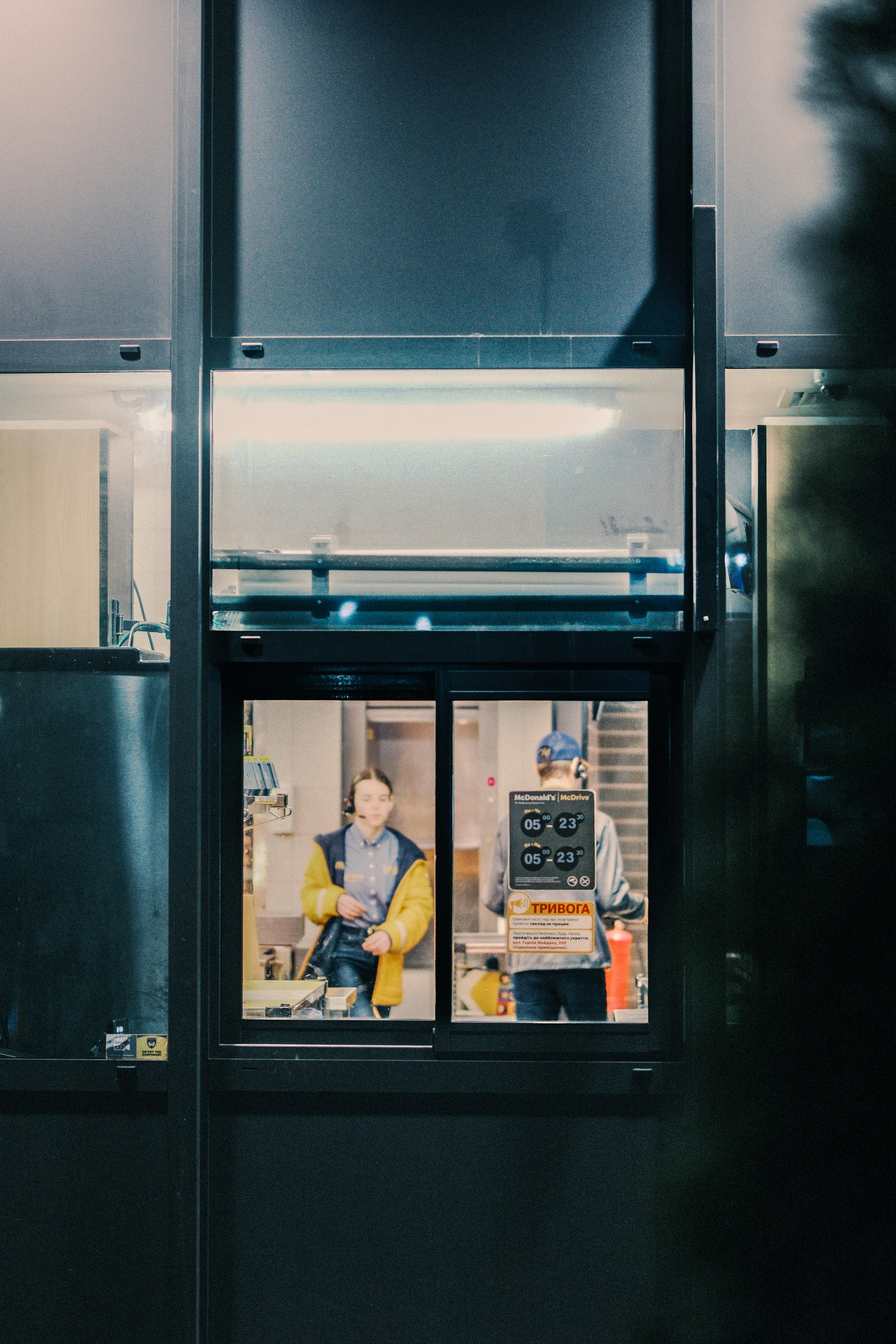
Enter RotaApp, a platform engineered specifically to solve the deep human and logistical pain points of shift management.
Instead of forcing managers like Arthur to act as air-traffic controllers using static tools, RotaApp acts as an intelligent guide for your entire workforce. It provides a simple, structured 3-step roadmap to eliminate scheduling friction:
Step 1: Automated & Ergonomic Scheduling The platform generates shift patterns that honor biological rest cycles. It automatically flags high-risk scheduling patterns—such as rapid backward rotations or insufficient rest windows between shifts—before the schedule is published.
Step 2: Worker Empowerment & Flexibility Through the mobile app, night shift workers gain full visibility into their upcoming schedules weeks in advance. If an unexpected personal issue arises, employees can initiate peer-to-peer shift swaps directly within the platform, which automatically checks for skill matching and compliance before approving the change.
Step 3: Instant Coverage & Zero-Stress Communication When a last-minute call-out occurs at 10:00 PM, managers don't need to manually ring ten exhausted staff members. RotaApp broadcasts open shifts to qualified, rested team members based on real-time availability and fairness algorithms, filling vacant slots in minutes.
When you replace manual scheduling chaos with intelligent automation, you don't just fix a rota—you restore dignity, health, and stability to your night shift workers.
THEREFORE, organizations that abandon manual rotas in favor of streamlined scheduling software see immediate operational turnarounds.
By providing clear visibility, fair workload distribution, and frictionless shift management, businesses experience a drastic reduction in fatigue-induced safety incidents and last-minute call-outs. Retention rates among overnight staff stabilize, while managers recover hundreds of hours previously wasted on administrative troubleshooting.
Picture two contrasting futures for your late-night operations:
In the first scenario, you continue using static spreadsheets and group chats. The clock hits 3:00 AM, fatigue settles over an understaffed team, a critical error occurs, and your morning begins with another emergency call to cover high turnover.
In the second scenario, your team operates within a balanced, predictable shift rotation schedule powered by RotaApp. Every slot is filled by rested, qualified staff who have full control over their work-life balance. Your managers sleep peacefully through the night knowing the system is fully compliant, resilient, and capable of resolving unexpected changes automatically.
The dark hours of the night will always present unique operational challenges.
BUT you no longer have to navigate them in the dark.